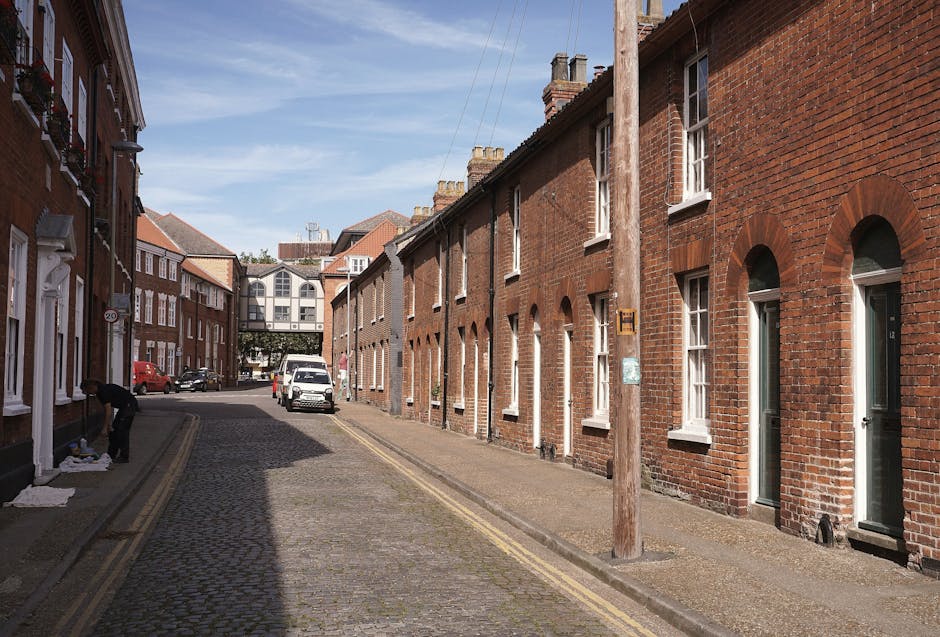
CR0 Removals: Narrow Lanes and Terrace Moves in Addington
Posted on 15/05/2026
If you are planning a move in Addington, you already know the streets can be a little awkward. Narrow lanes, parked cars, short terraces, side access that looks generous until you try to turn a sofa through it, and the usual "it'll be fine" optimism that fades fast on moving day. CR0 removals: narrow lanes and terrace moves in Addington are not just about lifting boxes into a van. They are about timing, access, protection, and making the whole thing work in a place where space is limited and patience can be limited too.
This guide breaks down how local moves like these are handled properly, what to prepare before the van arrives, and where the real risks tend to show up. Whether you are moving from a compact terrace, a flat with awkward stairs, or a home tucked down a tight road, the aim is simple: fewer surprises, less strain, and a cleaner handover. If you want more help with the wider moving process, you may also find the practical advice in our stress-free moving guide and packing tips for a smoother house move useful.
Why CR0 Removals: Narrow Lanes and Terrace Moves in Addington Matters
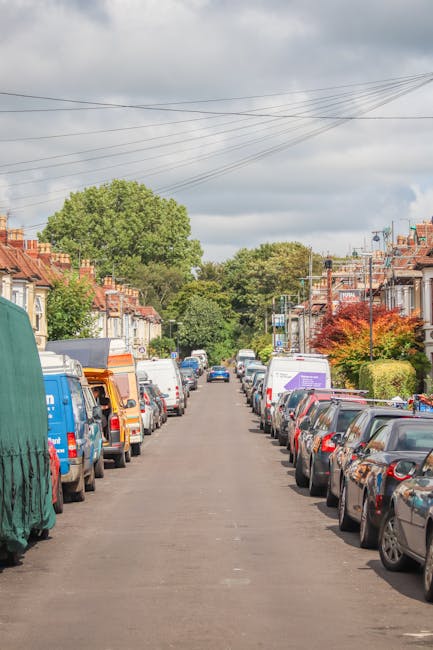
Addington is the kind of place where a removal job can look straightforward on paper and then become a bit of a puzzle in real life. Terrace houses often have limited front space, shared access paths, tight hallways, and staircases that were clearly not designed with modern furniture in mind. Add in narrow lanes, on-street parking, and the occasional awkward corner, and the job becomes less about brute force and more about careful planning.
That matters because a move is not only about getting items from one address to another. It is also about preventing damage to walls, floors, doors, doorframes, and the items themselves. In our experience, the most stressful part is usually not the lift itself; it is the moment a mover realises the wardrobe will not make the turn unless it is rotated, stripped down, or carried at a very unhelpful angle. Bit of a moment, that.
For local residents, the stakes are practical. If access is tight and the plan is vague, delays build quickly. A van may block traffic, neighbours may get frustrated, and a small issue like a missing parking space can snowball into lost time. This is why people looking for removal services in Addington often focus on access handling as much as price. It is not a luxury detail; it is part of the move itself.
It also matters for different property types. A ground-floor terrace with a narrow entrance, a small flat above a shop, and a family home with a steep internal staircase each need a slightly different approach. If your move includes bulky furniture, it can help to review furniture removals in Addington before moving day so you know what needs disassembly, wrapping, or extra care.
How CR0 Removals: Narrow Lanes and Terrace Moves in Addington Works
The best terrace move starts before anyone lifts a box. Proper planning usually happens in stages: access check, item review, packing prep, loading strategy, and arrival timing. That sounds tidy, and sometimes it is. But the real job is making all those parts fit together when the street is narrow and the house is snug.
1. Access is checked first
The team needs to understand where the van can stop, whether there is enough room for loading, and whether there are obstacles such as low branches, parked cars, or tight bends. In a narrow lane, a few metres matter. A van that is too large for the road can make the whole day harder than it needs to be.
2. The load is planned around the property
Items are grouped by size, fragility, and how awkward they are to carry. Heavy pieces go in a sequence that reduces repeated lifting. Fragile items are wrapped and positioned so they do not get crushed. If you have a piano, it is better to treat that as a specialist item from the start rather than an "we'll just see" item. That approach rarely ends well, and there is a good reason we link to this guide on why DIY piano moving can be risky.
3. Packing supports the move, not the other way round
Good packing helps everything move faster through tight entrances and stairways. Boxes that are too heavy, loose straps, or overfilled bags become a problem quickly on narrow stairs. If you want a clearer packing system, the advice in packing and boxes in Addington is a sensible place to start.
4. The loading method reduces handling time
In a terrace move, the van often cannot be parked right outside the door for long. That means the team needs a loading order that reduces back-and-forth trips. Heavier and more stable items go in first, with lighter boxes and protected items layered in a way that prevents movement during transit. No one wants a stack of kitchen boxes sliding sideways while someone is trying to squeeze the last armchair through the hallway. Nobody.
5. Arrival and unloading are adapted to the new street
Moves in Addington often involve a second access check on arrival, because the destination may be just as tight as the collection point. The practical question is not "Can we unload?" but "What is the cleanest, safest route from van to room?" A good plan saves time and lowers the risk of scratches, drops, and those small knocks that somehow feel bigger after a long day.
Key Benefits and Practical Advantages
There are a few clear advantages to using a move approach designed for narrow lanes and terraces rather than a generic one-size-fits-all plan.
- Less chance of damage: Careful route planning helps protect furniture, paintwork, stair edges, and floors.
- More efficient loading: Time is saved when the van setup matches the property layout.
- Lower physical strain: Fewer awkward turns and fewer unnecessary carries mean less stress on the people doing the lifting.
- Better parking and traffic control: Planning around tight roads reduces headaches for drivers, neighbours, and pedestrians.
- Cleaner move experience: A move that feels controlled is usually less exhausting by the end of the day.
Another quiet advantage is confidence. Once the tricky parts are thought through, the move stops feeling like a mystery. That matters, especially if you have lived in the same terrace for years and have a mental map of every scrape, squeak, and stubborn door handle. You want the new place to feel like a fresh start, not a repair job.
If your move is part of a broader house change, services like house removals in Addington or flat removals in Addington may offer the right level of support depending on your property type.
Who This Is For and When It Makes Sense
This kind of removals support is useful for anyone moving in or around Addington where access is limited. That includes:
- people moving from Victorian or older terrace properties
- flat residents with narrow staircases or shared entrances
- families with bulky furniture and limited driveway space
- students moving into smaller rentals, especially during busy periods
- anyone moving on a tight timetable where parking and loading need to be efficient
It also makes sense when you have items that are awkward to carry by hand, such as wardrobes, beds, large sofas, white goods, or office furniture. If you are moving a smaller load and only need straightforward transport, a man and van service in Addington may be enough. If the move is larger or involves more complexity, a more complete removals service is usually the safer route.
Truth be told, the question is not just "How much do I need moved?" but "How awkward is the access?" A small move down a cramped lane can take more coordination than a larger move with proper parking and open entry space. That surprises people quite often.
Students, in particular, often benefit from a streamlined approach. If your move is part of term change or end-of-tenancy turnover, have a look at student removals in Addington for a service pattern that fits smaller, time-sensitive moves.
Step-by-Step Guidance
Here is a practical way to prepare for a terrace or narrow-lane move without turning it into a giant project.
- Walk the route from front door to van. Notice tight turns, low ceilings, steps, door widths, and anything slippery or uneven.
- Measure the large items. Sofas, mattresses, beds, tables, and wardrobes should be measured before the day. It avoids guesswork later.
- Decide what must be dismantled. A bed frame, dining table, or modular sofa may move far more safely in parts.
- Pack for carryability, not just storage. Boxes should be weight-balanced and easy to grip. Use sturdy cartons rather than overfilling weak ones.
- Reserve a sensible loading plan. Keep a clear path at both properties. Shoes, rugs, plant pots, and random clutter in hallways become trip hazards very quickly.
- Confirm parking and timing. On a narrow road, the exact arrival time matters. A gap in traffic can make the whole difference.
- Protect surfaces. Cover bannisters, corners, and floors where needed. It is a small job that can save a lot of grief.
- Load with the exit in mind. Put items in the van in the order they will be needed on unload. It makes the new property run more smoothly.
If you are still at the sorting stage, decluttering helps more than most people expect. Fewer items mean fewer trips through narrow passageways and a lower chance of damage. The ideas in our decluttering guide are genuinely useful here.
And if you want a really tidy finish, pairing the move with a proper clean-out can help the handover too. The checklist in this spotless move-out guide is a good companion piece.
Expert Tips for Better Results
These are the small things that tend to make the biggest difference in tight-access moves.
- Keep the hallway clear from the night before. It sounds obvious, but the temptation to leave one last bag by the door is strong. Then another. Then... well, you know.
- Use labels that tell the mover what matters. "Fragile" is fine, but "Fragile - Kitchen - This Side Up" is better.
- Wrap corners before the day starts. Doorframes and wardrobe edges are often the first things to catch in narrow spaces.
- Group awkward items together. Lamps, mirrors, and picture frames are easier to manage when they are packed as a set.
- Prepare for weather. A damp driveway or wet pavement in the morning can slow things down more than you would think.
- Think about lifting posture. If you are helping with the move, use sensible form and do not twist under load. For a deeper explanation, the article on kinetic lifting techniques is a helpful read.
If you are handling heavy pieces yourself, the guidance in solo heavy lifting techniques is worth a look, though to be fair, for anything genuinely bulky, getting assistance is the wiser route. Your back will thank you later. Probably with enthusiasm.
One more practical tip: if you are moving a bed, dismantle it early and keep the fixings in a labelled bag. The advice in moving your bed and mattress can save a lot of hassle when you reach the new place at 7pm and just want to sleep.
Common Mistakes to Avoid
Narrow-lane and terrace moves tend to go wrong in predictable ways. Once you know them, they are easier to prevent.
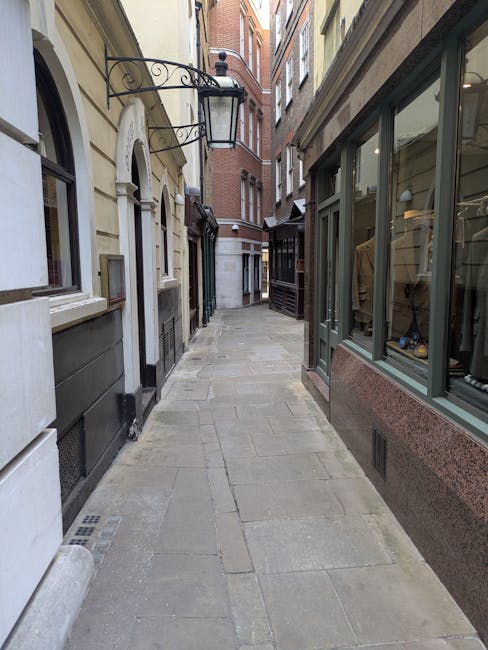
- Underestimating the access: A road may look wide enough on a map and still be awkward in practice.
- Overpacking boxes: Heavy boxes slow everyone down and increase the chance of dropping them on stairs.
- Leaving furniture assembled when it should be flat-packed: This is a classic mistake. The item may fit in theory and fail in reality.
- Ignoring parking pressure: A blocked loading point can cause delays that ripple through the whole schedule.
- Not protecting high-contact areas: Bannisters, wall corners, and door frames take repeated knocks in tight homes.
- Forgetting specialist items: Pianos, big mirrors, or large appliances may need dedicated handling.
There is also the "we'll improvise on the day" trap. That sounds flexible, but on a terrace street it can become chaotic fast. A good move is rarely the most dramatic one. It is usually the one where people know what they are doing before the first box leaves the room.
Tools, Resources and Recommendations
You do not need a warehouse full of equipment to move well, but the right basics make a real difference.
| Item | Why it helps in narrow-lane or terrace moves | Best use |
|---|---|---|
| Sturdy boxes | Hold weight better and stack safely in tight spaces | Books, kitchenware, general packing |
| Furniture blankets | Protect wood, upholstery, and painted surfaces | Sofas, tables, wardrobes |
| Ratchet straps | Keep items stable in the van | Large appliances and bulky furniture |
| Trolley or sack truck | Reduces repeated lifting over short distances | Heavy boxes and white goods |
| Protective wrap | Helps avoid chips, scratches, and dust | Mirrors, glass, wooden furniture |
For bigger or more delicate items, professional support can be the better investment. If you are moving anything that has sentimental or financial value, such as a piano, it is sensible to use a specialist page like piano removals in Addington. It is one of those decisions that feels more expensive at first and cheaper later, because the risk is handled properly.
Storage is another useful option if access issues mean the move needs to happen in stages. Maybe the new place is not quite ready, maybe you are between tenancies, maybe you are trying not to cram everything into a terrace room at once. In that case, storage in Addington can take some pressure off the day.
And if you need flexibility with timing or a more responsive service, same day removals in Addington may be worth exploring when the schedule turns a bit chaotic.
Law, Compliance, Standards, or Best Practice
For most household moves, the main concern is not complex law; it is safe, sensible practice. That said, reputable removals work in the UK should still follow proper health and safety standards, use suitable lifting methods, and respect property access, parking, and loading constraints.
Best practice usually includes:
- careful manual handling to reduce injury risk
- clear communication about access restrictions and fragile items
- protective equipment where appropriate, such as gloves and blankets
- consideration for neighbours, pedestrians, and shared entrances
- reasonable care with floors, walls, bannisters, and communal areas
If you are comparing providers, it is sensible to look at how they approach safety and service quality. The information on health and safety policy and insurance and safety can help you judge whether the business takes risk management seriously. That is not just box-ticking. It tells you how the team behaves when a stairwell is narrow, a sofa is awkward, or the road outside is jammed with parked cars.
You may also want to review terms and conditions and payment and security before booking. It is a straightforward way to avoid misunderstandings later.
Options, Methods, or Comparison Table
Different move setups suit different levels of access and support. Here is a simple comparison.
| Option | Best for | Strengths | Trade-offs |
|---|---|---|---|
| Man and van | Smaller loads, flexible local moves | Quick, practical, often ideal for short-distance jobs | May not suit complex loading or larger furniture sets |
| Full house removals | Whole-property moves and family homes | More support, better coordination, less lifting for you | Usually more involved to arrange |
| Flat move support | Upper-floor or shared-entry properties | Better for stairs, tight hallways, and communal access | Requires good preparation around access and parking |
| Storage plus move | Staged relocations or delayed completion | Useful when timing is uncertain | Extra handling step, so planning matters more |
If you are unsure which route is best, start with the size of the load and the quality of the access. That simple rule solves more dilemmas than most people expect. You can also compare service details across man with a van in Addington, removals in Addington, and removal services in Addington to match the job properly.
Case Study or Real-World Example
Imagine a couple moving out of a two-up, two-down terrace in CR0. The street is narrow, there is no driveway, and the nearest sensible parking spot is a short walk away. Inside, the staircase bends awkwardly halfway up, and the sofa in the living room has just enough width to make everybody nervous.
Rather than rushing, the move is broken into stages. The sofa is wrapped first. The bed is dismantled. Kitchen boxes are labelled clearly. A parking plan is agreed for the van, and the larger items are brought out before the hallway becomes crowded with loose bags and half-packed duvets. The team uses shorter carries, protects the walls at the tightest turning point, and loads the van so the first items needed at the destination are easy to reach.
The difference is not dramatic in a cinematic sense. No music swells. No one cheers. But the move finishes on time, nothing is chipped, and the couple are not left standing on the pavement wondering whether their dining table will ever fit through the next doorway. That is a good move, honestly. A very good move.
If the same household had tried to wing it, the day would likely have involved unnecessary lifting, more trips back and forth, and a lot of quiet swearing under the breath. Not ideal. The lesson is simple: on tight-access streets, planning beats improvising almost every time.
Practical Checklist
Use this checklist the day before and on moving morning.
- Measure large furniture and key doorways
- Confirm van access and parking arrangements
- Set aside fragile or high-value items
- Disassemble beds, tables, or modular furniture where needed
- Label boxes by room and priority
- Keep hallways, landings, and entrances clear
- Protect corners, bannisters, and floors
- Prepare drinks, chargers, and essentials in one easy-to-reach bag
- Check that nothing is stored in lofts, cupboards, or behind doors
- Have keys, contact details, and any special access information ready
A small but useful extra: if you are moving items into temporary storage, consider the advice in proven sofa storage strategies and proper storage for a freezer not in use. It helps protect items that are not going straight into the new home.
Get a free quote today and see how much you can save.
Conclusion
CR0 removals in narrow lanes and terrace streets are all about doing the ordinary things properly: checking access, packing with care, lifting safely, and planning the route before the van turns up. Addington's streets can be charming, but they do ask for a bit of respect on moving day. The right approach makes a visible difference. Less stress. Fewer knocks. Better timing. More control.
If you are preparing for a move in a tight street or a compact terrace, do not leave the hard parts to chance. Get the measurements, sort the packing, choose the right level of support, and give yourself enough breathing room to move calmly. It really does help, and it makes the day feel much lighter.
Moving home is rarely anyone's favourite task, but with the right plan it does not have to feel like a battle. Sometimes the best move is simply the one that goes quietly well.