Commercial Move Quotes for Addington Shops and Offices
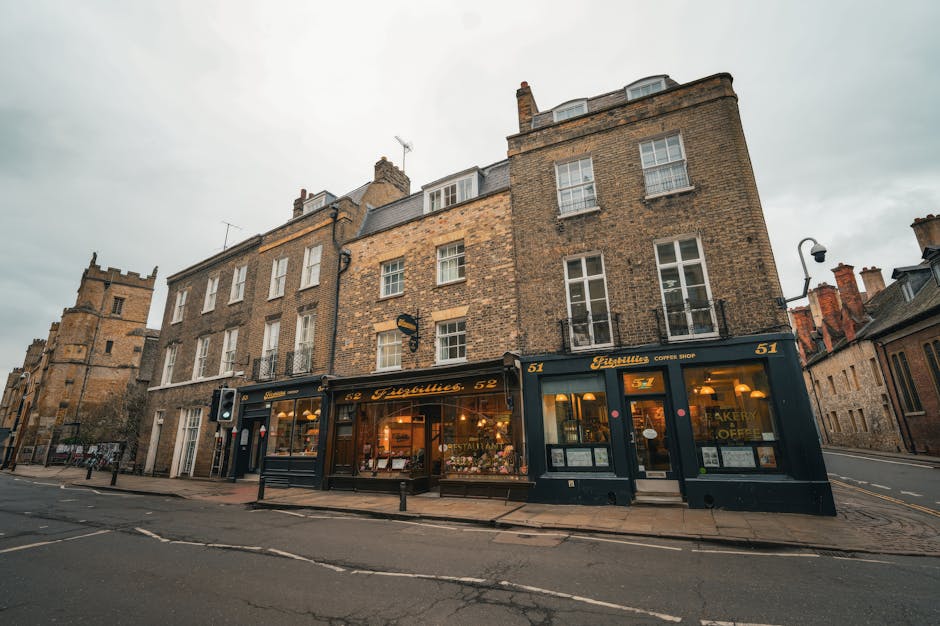
If you are planning a shop or office move in Addington, the quote you receive is doing more than giving you a price. It is telling you how the move will be handled, what is included, where the risks are, and whether the mover actually understands commercial work in a busy local area. Commercial Move Quotes for Addington Shops and Offices should feel clear, practical, and tailored to your premises-not like a vague number scribbled on the back of an envelope. Let's face it, no one wants nasty surprises when stock, desks, displays, or important files are involved.
This guide explains how commercial moving quotes work, what affects the cost, how to compare providers sensibly, and how to make sure your Addington shop or office move stays organised from the first walkthrough to the final box. If you are weighing up options, you will also find a useful checklist, common mistakes to avoid, and a realistic look at what a well-run quote process should include.
Why Commercial Move Quotes for Addington Shops and Offices Matters
A commercial move is not the same as a standard house move. Shops have trading hours, stock levels, customer access, and often fragile display items. Offices have IT equipment, paperwork, workstations, meeting rooms, and sometimes a few awkwardly heavy items that nobody admits owning until moving day. A quote matters because it sets the tone for the whole job.
In Addington, where access can vary street by street and parking can be tight at peak times, a quote that ignores logistics can become expensive very quickly. A mover may need to think about timing, loading space, building access, lift use, stair carry distance, and whether the vehicle can park close enough to keep the move efficient. That is why a proper quote is not just about numbers. It is a planning tool.
There is also the business side. A shop closing for half a day or an office losing access to key files and devices can affect customers, staff, and revenue. Even if the move itself is modest, the knock-on effect can be the real cost. A good quote helps you see those hidden pressures before they turn into headaches.
Key point: the best commercial moving quote is specific, transparent, and based on your actual premises-not a generic estimate that changes later when the van arrives.
How Commercial Move Quotes for Addington Shops and Offices Works
Most commercial move quotes follow a similar process, though the quality of the process varies quite a bit. The mover gathers information, reviews the scope, assesses risks, and then prices the job based on time, labour, vehicle use, access, and any extra services you may need.
Typically, the quote process starts with a quick enquiry. You describe the type of business, the size of the premises, the move date or window, and what needs relocating. From there, the mover may ask for photos, a room-by-room list, or a site visit. For smaller jobs, an accurate remote quote may be enough. For larger offices or busy retail spaces, a walkthrough is often the smarter approach. Truth be told, it saves everybody from guesswork later.
The quote may include some or all of the following:
- Labour for loading and unloading
- Vehicle and fuel costs
- Travel time and waiting time
- Packing materials or packing services
- Furniture disassembly and reassembly
- Protection for floors, fixtures, and fragile items
- Storage, if needed between locations
- Special handling for IT, safes, or bulky stock
Some providers quote a fixed price. Others quote an hourly rate with an estimate. Neither is automatically better. What matters is whether the basis is explained properly. If the quote says "estimated two-man team for three hours," you should know what would cause that to change. If it says fixed price, you should know exactly what assumptions were used. That clarity is the difference between a decent move and a stress-fest.
If you want to understand the broader service types behind a quote, it can help to review a provider's commercial moves and office relocation services pages, especially if your move involves more than one department or a mixed retail-and-back-office setup.
Key Benefits and Practical Advantages
A good quote does more than tell you the price. It helps you make decisions early, and in a commercial move that matters a lot. Here are the real advantages that stand out.
1. Better budgeting
When a quote is detailed, you can plan around actual costs instead of rough guesses. That helps with internal approvals, cash flow, and any scheduling around quieter trading periods. For a shop, that might mean aligning the move with a low-footfall day. For an office, it might mean using a weekend or staged relocation so work can continue.
2. Fewer surprises on moving day
Commercial moves often unravel because one detail was missed: a building access code, a missing lift booking, a parking issue, or a pile of archive boxes nobody mentioned. A careful quote process reduces those issues. It forces the practical questions early, which is where they belong.
3. More suitable staffing and equipment
Different jobs need different setups. A small office can often be handled with a compact team and a single vehicle. A larger shop with stock, shelving, and equipment may need more manpower, trolleys, blankets, and a larger moving van. A quote helps match the job to the right resources.
4. Less disruption to customers and staff
Commercial moves are about timing as much as transport. A strong quote process gives you room to plan your opening hours, customer communications, staff handover, and any temporary closures. That is especially useful in Addington, where local roads and parking can affect how quickly a team can load or unload.
5. Better decision-making across suppliers
Once you compare quotes properly, you can see who is simply cheap and who is actually offering value. There is a difference. Sometimes the lowest price looks attractive until you realise it excludes packing, access waiting time, or insurance details that matter a great deal.
Expert summary: the best commercial move quote is not the cheapest one on paper. It is the one that clearly shows what happens next, what is included, and what could change the final bill. That is what gives you control.
Who This Is For and When It Makes Sense
Commercial move quotes are useful for far more than big corporate relocations. In Addington, they make sense for a broad range of businesses and organisations.
- Retail shops moving stock, shelving, till points, display units, or seasonal inventory
- Small offices relocating desks, computers, printers, files, and chairs
- Professional practices that need a careful, orderly move with minimal downtime
- Start-ups and growing businesses moving into larger premises
- Multi-room workspaces with meeting areas, storage rooms, and shared equipment
- Businesses consolidating or downsizing and needing a tidy, efficient move plan
It also makes sense when you are not sure whether you need a full-service move or something more flexible. For example, some businesses only need transport and loading help, while others benefit from packing support and furniture reassembly. If you are comparing those options, a page like man with van or the more structured removal services overview can help you judge what style of support fits best.
When does it make the most sense to request a quote? Earlier than you think. Ideally, as soon as you know the premises, moving date range, or contractual handover timing. Commercial moves have a way of getting busy fast. One week everything feels calm; the next, boxes are appearing in the kitchen and the broadband installer wants a slot you no longer have. A proper quote gives you breathing room.
Step-by-Step Guidance
If you want better quotes, the process starts with better information. Here is the most practical way to handle it.
Step 1: Define what is moving
Make a clear list of what needs to go. Include furniture, stock, files, signage, IT gear, printers, fixtures, and anything bulky or delicate. The more precise the list, the more accurate the quote. A room-by-room breakdown works well, especially for offices.
Step 2: Measure access, not just contents
Access can be the hidden cost driver. Note staircases, narrow doors, lift size, loading bays, walking distance from the vehicle, and any parking restrictions outside either property. In Addington, those small details can matter quite a bit, particularly on tighter streets where a van cannot simply pull up and park without thought.
Step 3: Decide on the level of service
Do you need transport only, loading and unloading, packing, dismantling, or all of the above? The service level changes the quote. If you already have staff packing small items, say so. If you need help wrapping monitors or moving fixtures, include that too.
Step 4: Request more than one quote
Two or three quotes are usually enough for comparison. Too many and you can end up comparing apples with pears, which is never much fun. Ask each provider to quote on the same scope so the numbers are meaningful. Otherwise, the cheapest quote may simply be the one that includes the least.
Step 5: Ask what is included and excluded
This is where many people slip up. Ask whether the quote covers waiting time, fuel, insurance, assembly, packing materials, and VAT if applicable. Also ask about cancellation terms or rescheduling charges. Better to be slightly awkward now than frustrated later.
Step 6: Confirm timing and access arrangements
Commercial quotes should align with opening hours, tenant rules, and any building access arrangements. If the mover needs to arrive early, note that. If the move must happen in a narrow window, say so. A good mover will help you build a workable plan, not just turn up and hope for the best.
Step 7: Put the agreed details in writing
Once you choose a mover, make sure the final scope is written down. That can be in an emailed confirmation, booking form, or formal quotation. It protects both sides and keeps the move grounded in facts rather than memory. Memory is a funny thing on moving day.
Expert Tips for Better Results
From experience, the quotes that go smoothly usually come from clients who share practical details early. You do not need to write a novel. But a few smart habits make a real difference.
Be honest about awkward items
If there is a heavy cabinet, awkward signage, a fragile display, or a stack of archive boxes in a hard-to-reach room, say so. Movers would rather know early than discover it when the clock is already ticking.
Send photos, not just descriptions
A quick photo of the entrance, stairwell, reception area, loading point, or packed room can help a mover judge the job much faster. It is one of the simplest ways to improve quote accuracy. Honestly, a few good photos can save a lot of back-and-forth.
Choose the quietest practical moving window
For shops, the best slot may be after closing or before opening, depending on the building and access. For offices, quieter days can reduce disruption and make coordination easier. If your schedule is tight, ask the mover how they would stage the job.
Think about packing separately from transport
Many businesses assume packing is a small add-on. Sometimes it is. Sometimes it is the biggest part of the workload. If your team is already stretched, a packing service can be more valuable than it first appears.
Ask about insurance and handling methods
It is sensible to understand how the mover protects goods in transit and during loading. You are not being difficult by asking. You are being sensible. A professional provider should be happy to explain how fragile items, electronics, and furniture are handled.
Keep one person in charge of the move
Having multiple people answer the mover's questions can create mixed messages. Appoint one contact who knows the premises, the move plan, and the budget. It keeps things tidy and avoids those last-minute "I thought someone else had sorted that" moments.
Common Mistakes to Avoid
Commercial moves can go wrong in predictable ways. The good news is that most of them are avoidable.
- Comparing quotes without checking scope - a lower price can simply mean fewer services included.
- Forgetting access details - stairs, lifts, tight corners, and parking all influence the final job.
- Leaving quotes too late - rushed bookings often mean fewer choices and less time to plan.
- Not listing bulky or fragile items - the mover may need different equipment or extra labour.
- Ignoring downtime costs - the true cost of a move is not just the removal fee.
- Assuming packing is included - always check whether materials and labour are part of the quote.
- Forgetting business continuity - if staff need access to systems or files, plan that carefully.
One of the biggest mistakes is choosing a quote only because it sounds quick and easy. Fast is not always bad, of course. But if the quote skips the awkward questions, it may be hiding something. That can become expensive later, and nobody enjoys being cornered by an unexpected surcharge on a moving day that is already chaotic enough.
Tools, Resources and Recommendations
You do not need fancy software to prepare for a commercial move, but a few simple tools can make the process calmer and more organised.
- Inventory spreadsheet - list rooms, items, quantities, and special handling notes.
- Photo folder - gather images of access points, furniture, and awkward spaces.
- Labelling system - colour-code departments, rooms, or priority boxes.
- Floor plan - even a simple sketch helps the mover and your staff understand placement at the new site.
- Schedule sheet - note access windows, handover times, and key contacts.
It can also help to look at related service pages if your move includes specific tasks. For instance, if you need support packing files or office equipment, the packing and unpacking services page is a useful reference point. If you have furniture to dispose of or relocate separately, furniture pick up may be relevant too.
And if you are trying to understand how a provider handles pricing more generally, the pricing and quotes page can help you frame the right questions before you commit.
Law, Compliance, Standards, or Best Practice
Commercial moving touches several areas where sensible compliance and good practice matter. This is not about scaring anyone; it is about keeping the move orderly and reducing avoidable risk.
For example, businesses should consider health and safety obligations for staff, visitors, and contractors during the move. Clear walkways, safe lifting, sensible handling of heavy items, and controlled access all matter. If your move includes equipment, electrical items, or awkward loads, the mover should have a clear process for safe handling. A reputable provider will usually explain this in plain language. If not, ask.
Insurance is another area worth checking carefully. You want to know what cover applies during loading, transit, and unloading, and whether any high-value or fragile items need special disclosure. The wording matters here. Small details can change expectations later, so it is worth reading the confirmation properly instead of skimming it between tea breaks.
There may also be building rules, landlord requirements, or local access considerations that affect how and when the move can happen. In a place like Addington, where commercial and residential areas can sit close together, parking and loading arrangements should be planned with care. If the route involves busy streets or controlled spaces, factor that into the quote conversation early.
For wider company policies and trust signals, you can also review the provider's health and safety policy, insurance and safety, and terms and conditions. These are not exciting reading, granted, but they are the sort of details that reassure you the job is being taken seriously.
Options, Methods, or Comparison Table
Not every commercial move needs the same type of support. The right choice depends on size, complexity, budget, and how much time your team can spare. Here is a simple comparison to make that easier.
| Move option | Best for | Main advantages | Watch out for |
|---|---|---|---|
| Transport-only move | Businesses that have already packed everything | Lower cost, simpler coordination | More work for your staff; packing mistakes can delay the move |
| Labour and vehicle support | Shops or offices that need loading help | Good balance of value and practical help | Requires accurate access and item details |
| Full-service commercial move | Larger offices, busy shops, or time-sensitive relocations | Less disruption, more hands-on support | Higher cost, but usually better planning |
| Packed-and-moved service | Businesses short on time or staff | Reduces pressure on your team, more consistent packing | Needs early scheduling and clearer item lists |
If you are comparing a lighter-touch approach with a full team, it may also be worth looking at broader service styles such as man and van removals and the more comprehensive removal company option. The right fit often comes down to how much coordination your move needs, not just the size of the van.
Case Study or Real-World Example
Here is a realistic example of how the quote process can play out for an Addington business.
A small retail shop is moving from one local unit to another. The owner needs shelving, boxed stock, a till counter, a few display units, and some back-office files moved after trading hours. The first quote comes in low, but it is vague. It mentions "man and van support" without detailing packing, dismantling, or loading time. The second quote is slightly higher, but it includes an on-site assessment, labour, vehicle use, protective blankets, and a clear plan for the last hour of trading and the first hour at the new shop.
The owner picks the second option. Why? Because the quote answers the right questions. How long will the move take? What is included? Who is responsible for packing? What if the lift is unavailable? What happens if the load is heavier than expected? That's the kind of clarity that saves time and, frankly, a fair amount of stress.
On move day, the team arrives with the right equipment and the shop closes only for the minimum time needed. The owner still has to juggle stock labels and a bit of last-minute dusting-moving day always has a little chaos in the air-but the process runs smoothly because the quote matched the job from the start.
This is the practical lesson: when a commercial quote is detailed enough, it becomes part of the move plan, not just a price sheet.
Practical Checklist
Use this checklist before accepting a commercial moving quote for your Addington shop or office.
- Have I listed everything that needs moving?
- Have I included photos of entrances, stairs, lifts, and loading areas?
- Does the quote clearly show what is included and excluded?
- Have I checked whether packing, dismantling, and reassembly are included?
- Do I understand the pricing basis: fixed price or hourly estimate?
- Have I confirmed access times, parking, and any building restrictions?
- Does the mover explain insurance and handling of fragile or high-value items?
- Have I planned for staff, customers, and business downtime?
- Is the move date realistic for the scope of work?
- Do I have a single point of contact for the move?
- Have I read the booking terms carefully?
- Do I feel comfortable asking follow-up questions?
If you can tick most of those off, you are in a much better place. Not perfect, maybe. But properly prepared, yes.
Get a free quote today and see how much you can save.
Conclusion
Commercial move quotes for Addington shops and offices work best when they are detailed, honest, and built around the practical realities of your premises. A good quote helps you compare providers fairly, reduce disruption, and avoid those awkward little surprises that can turn a move into a long day.
If you take only one thing from this guide, let it be this: the quote is part of the move itself. It should reflect your access, your timetable, your workload, and your business priorities. When those pieces line up, the actual moving day tends to feel much more manageable. And that feeling matters more than people sometimes admit.
So ask the extra question, send the extra photo, check the small print. It is worth it. A smoother move gives you a cleaner start in the new space, and that fresh beginning is often the best part.
Frequently Asked Questions
What should a commercial move quote include?
A proper quote should explain labour, vehicle use, timing, and any extra services such as packing, dismantling, or reassembly. It should also state what is excluded, so you can compare offers fairly.
How far in advance should I request commercial moving quotes?
As early as you can once the move date or window is known. For busy shops and offices, early requests usually mean better availability and more time to plan access, parking, and staffing.
Is a fixed-price quote better than an hourly rate?
Not always. A fixed price can be reassuring if the scope is clear, while an hourly rate may suit smaller or less predictable jobs. The key is understanding what the quote is based on and what could change the final cost.
Why do commercial quotes vary so much?
They vary because of access, distance, labour needs, packing requirements, item size, timing, and whether the mover includes extras like dismantling or protection materials. Two quotes can look similar at first glance but be built on very different assumptions.
Should I ask for an on-site visit before accepting a quote?
For anything more than a very small move, yes, it often helps. An on-site visit or detailed photo review can uncover access issues or bulky items that might otherwise be missed.
Can a shop or office move happen outside normal business hours?
Often it can, subject to access arrangements and the mover's schedule. Early starts, evenings, and weekend moves are common for businesses that want to reduce customer disruption.
What if I only need help with loading and transport?
That is perfectly normal. Some businesses only need a lighter-touch service, while others need full relocation support. Be clear about the level of help you want so the quote matches the job.
Do commercial moving quotes include insurance?
They should explain what cover is in place, but you should not assume every item is covered in every situation. Ask how insurance applies during loading, transit, and unloading, especially for fragile or high-value items.
How can I compare quotes without getting confused?
Compare like with like. Check the same list of items, the same access conditions, the same date, and the same service level. Otherwise, the numbers can be misleading.
What are the biggest hidden costs in commercial moves?
Common hidden costs include waiting time, extra labour for difficult access, packing materials, disassembly, and schedule changes. A careful quote should reveal these possibilities early.
Should I choose the cheapest quote?
Only if it also clearly covers what you need. A low price can be fine, but if it leaves out key details, it may cost more later. Value and clarity are usually the better goals.
How do I know if a mover is suitable for a shop or office relocation?
Look for clear communication, relevant service pages, sensible questions during the quote process, and a calm approach to logistics. If the provider understands access, timing, and business disruption, that is a strong sign they know commercial work properly.