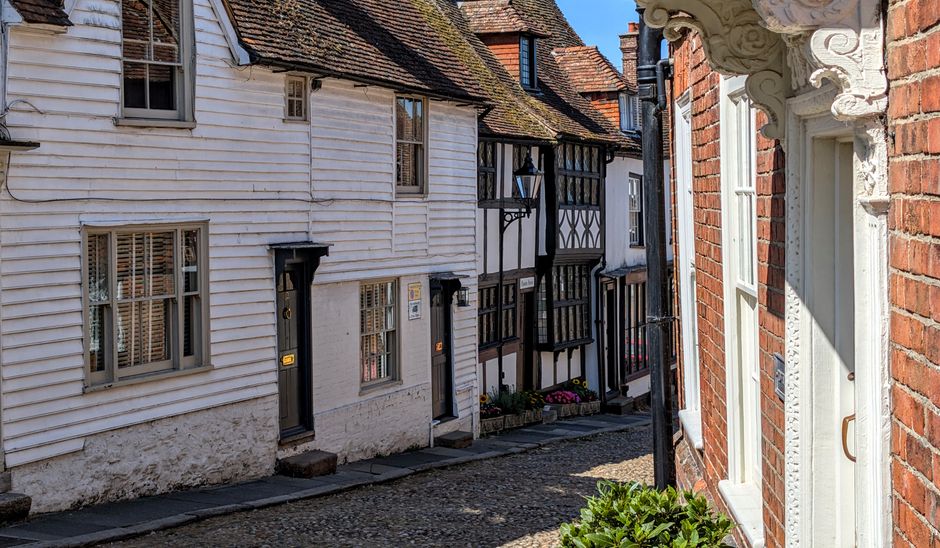
Addington removals guide for narrow streets and terraces
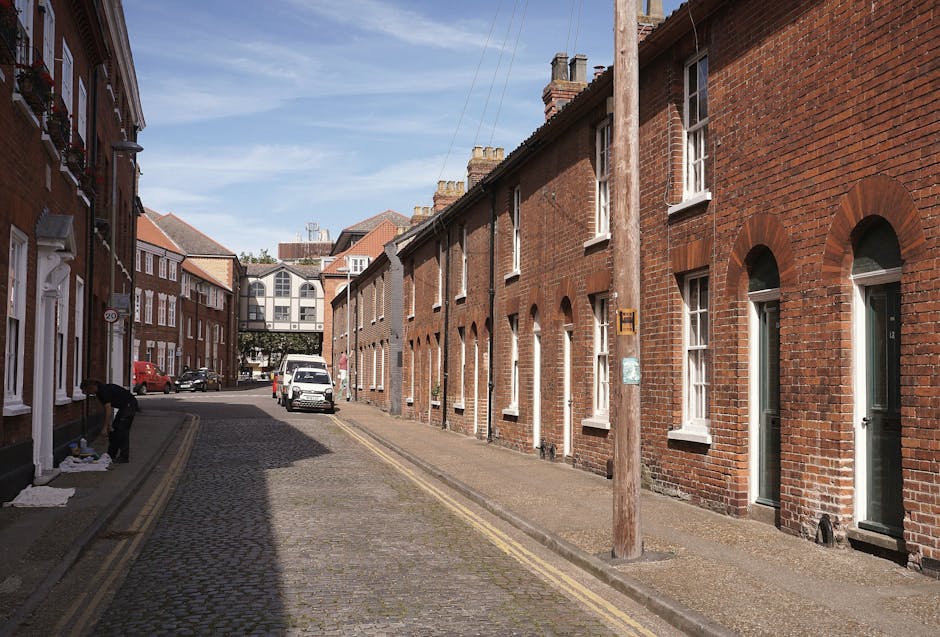
If you are planning a move in Addington and your home sits on a narrow street, a terrace, or one of those awkward little roads where two cars meeting is already a negotiation, you are not alone. The Addington removals guide for narrow streets and terraces is really about one thing: making a difficult move feel manageable. That means thinking ahead about parking, access, fragile items, neighbours, and the van size before the first box is even taped shut.
Terraced homes can be brilliant in the right ways - compact, characterful, often close to local amenities - but moving out of them can be a bit of a puzzle. In a lot of cases, success comes down to planning rather than brute force. A good removal approach reduces delays, protects furniture, and avoids the last-minute scramble that nobody wants on moving day. Let's get into the useful stuff.
- Why Addington removals guide for narrow streets and terraces matters
- How Addington removals guide for narrow streets and terraces works
- Key benefits and practical advantages
- Who this is for and when it makes sense
- Step-by-step guidance
- Expert tips for better results
- Common mistakes to avoid
- Tools, resources and recommendations
- Law, compliance, standards, or best practice
- Options, methods, or comparison table
- Case study or real-world example
- Practical checklist
- Conclusion
- Frequently asked questions
Why Addington removals guide for narrow streets and terraces Matters
Small streets create big moving-day problems. That sounds dramatic, but it is often true. A terrace with no driveway, a road with tight bends, parked cars on both sides, and a front door that opens directly onto the pavement can turn a simple move into a careful, stop-start job. If the van cannot park close enough, every extra metre adds carrying time, fatigue, and risk.
In Addington, that matters because homes can vary a lot. Some streets are straightforward; others feel like they were designed for bicycles, bins, and maybe one determined hatchback. The difference between a smooth move and a stressful one often comes down to how accurately you assess access before moving day.
There is also the human side. On a terrace, you are usually working close to neighbours, shared boundaries, and public footpaths. A poorly planned move can block access, annoy people, or damage a gate, wall, step, or parked car. Nobody wants to start a new chapter by apologising to half the street. To be fair, a little preparation solves most of that.
If you are comparing removal help, it is worth looking at a team that understands removal services in practical, everyday terms rather than just van-and-box logistics. For many homes, especially smaller terraces, the right setup is often a compact vehicle, sensible loading, and crew who know how to move quickly without rushing the details.
How Addington removals guide for narrow streets and terraces Works
Think of a narrow-street move as a chain of small decisions. Each one affects the next. If the vehicle is too large, access gets awkward. If packing is poor, fragile items take more knocks. If you underestimate time, the whole day feels compressed. The guide works by breaking the move into stages that reduce friction.
First comes access planning. You check where the vehicle can stop, whether there is room for loading, and how far items must be carried. You also think about stairs, tight hallways, low ceilings, garden paths, side gates, and any sharp turns inside the property. It sounds obsessive. It is not. It is just realistic.
Second comes packing strategy. In terrace properties, furniture often has to be turned, angled, or carried through narrow interior routes. That means loose handles, protruding shelves, and unboxed lamps become a problem quickly. Professional removal planning usually treats packing as part of access planning, not a separate task. That connection is easy to miss.
Third comes loading order. You want the items most likely to be needed first at the destination to be easy to reach, and you want heavy items secured so they do not shift in transit. A well-loaded van can save a lot of wasted movement, especially where the vehicle has to be parked a little way from the door.
Finally, there is the actual moving rhythm. On tight roads, it often helps to keep the team small but well organised. You will notice the difference immediately: fewer false starts, less standing around, less "where did that box go?" energy. A good move feels calm, even if it is busy.
Key Benefits and Practical Advantages
The main benefit is simple: better planning protects time, money, and furniture. But there are a few more specific wins that matter in Addington terrace moves.
- Shorter carry distances: parking the van as close as possible reduces effort and lowers the chance of damage.
- Safer handling: less squeezing through awkward spaces means fewer chipped walls and scuffed doors.
- Better scheduling: once access is clear, estimated loading and unloading time becomes more realistic.
- Less neighbour disruption: smoother timing and tidier loading reduce complaints and avoid blocking the street for longer than necessary.
- More suitable vehicle choice: narrow roads often suit a smaller van better than a large truck.
There is also a mental benefit, and honestly that one is underestimated. If you know the move has been planned around the reality of a terrace, you are much less likely to panic on the day. That matters more than people admit. Calm is efficient.
For households wanting extra help with packing, packing and unpacking services can be a smart add-on, especially when you are dealing with multiple flights of stairs, delicate kitchenware, or a family move where time is short.
Who This Is For and When It Makes Sense
This guide is for anyone moving from, to, or within a property where access is not generous. That usually includes:
- terraced houses with on-street parking only
- homes on roads too tight for easy two-way traffic
- properties with narrow front doors, steep steps, or long hallways
- moves involving bulky furniture that will not simply glide out, no matter how hard everyone hopes otherwise
- people moving on a busy weekday or during school-run traffic
It also makes sense if you are deciding between doing the move yourself and bringing in professional help. In theory, a DIY move can look cheaper. In practice, once you factor in vehicle size, parking stress, lifting strain, and the time spent going back and forth, that cheap option can get complicated quickly.
If you are comparing moving support in general, it may help to review home moves and house removals as broader service options. Those pages can help you judge how a move from a terrace fits into a more standard domestic removal plan.
It is also useful for landlords, tenants, and sellers who need a move done with minimal fuss. If your timeline is tight - say, keys at 10 a.m. and a handover by late afternoon - then the margin for error gets small fast.
Step-by-Step Guidance
Here is a practical way to approach a narrow street or terrace move without losing the plot.
- Measure the access points. Check front door widths, hallway turns, stair landings, and any gate or side passage you may use.
- Map vehicle parking realistically. Do not assume the van will sit outside the door. Look at the road width, parked cars, corners, and turning space.
- Declutter before packing. The less you move, the easier the job becomes. Honestly, old cables and broken stools are rarely worth transporting.
- Pack by room and priority. Keep essential items separate so they are easy to find at the other end.
- Protect fragile and awkward furniture. Blankets, wraps, edge protectors, and good tape all matter more than they look.
- Plan the load order. Put heavy items in first, keep access to essential boxes, and secure everything before the van sets off.
- Warn neighbours where needed. A quick heads-up about loading times can prevent friction on the day.
- Allow more time than feels necessary. Tight streets nearly always take a little longer than open roads.
A useful rule of thumb: if you think the move will take six hours, plan as though it might take seven. That extra cushion is not wasted time. It is breathing room, and moving day needs that.
Expert Tips for Better Results
Here are the little things that make a real difference.
- Use a smaller van when access is tight. A compact vehicle is often easier to park, easier to unload, and easier on the nerves.
- Keep walkways clear. One open route in and out helps the whole process move with less stop-start traffic through the house.
- Label boxes by room and priority. It saves a lot of "where did the kettle go?" moments later on.
- Disassemble awkward furniture early. Bed frames, table legs, and large shelving units are usually best dealt with before the van arrives.
- Protect corners, not just surfaces. In terraces, the corners of walls and bannisters take a beating if people are rushing.
- Load heavy to light, solid to fragile. That helps stabilise the van and reduces shifting in transit.
One thing people often forget: daylight matters. A move that starts in the morning usually feels smoother than one that drifts into late afternoon, especially in winter when Addington streets can feel a bit dim and the light disappears earlier than you expect. Small detail, big impact.
If you are searching for local help, removals near me can be a useful starting point when you want a nearby team that understands the roads, parking patterns, and property types involved. And yes, local knowledge really does save time sometimes.
Common Mistakes to Avoid
Some moving mistakes are harmless. Others create a proper headache. The main ones in narrow streets and terraces are usually predictable.
- Choosing a van that is too large. If the road cannot accommodate it, the vehicle choice becomes the problem.
- Ignoring internal access. People focus on the road and forget the stairwell, doorway, or awkward upstairs bend.
- Packing without a loading plan. Randomly packed boxes are slower to unload and easier to damage.
- Leaving everything to the final night. That is how stress creeps in. It always is.
- Not checking parking restrictions or local access constraints. Even where formal restrictions are not obvious, tight streets can still make stopping difficult.
- Underestimating the weight of furniture. A wardrobe that looked manageable on paper can be the thing that changes the whole day.
The other big mistake is treating the move like a normal suburban relocation when it clearly is not. A terrace on a narrow street deserves a different plan. That is not overthinking; that is common sense with a bit of tape on it.
Tools, Resources and Recommendations
You do not need a van full of specialist gear to move well, but a few tools make life easier.
| Tool or item | Why it helps | Best use in terrace or narrow-street moves |
|---|---|---|
| Furniture blankets | Protects wooden and painted surfaces | Useful when carrying items through tight hallways and door frames |
| Ratchet straps | Keeps loads stable in the van | Important when the van must park a little further away and items are carried in batches |
| Labels and markers | Speeds unpacking and room sorting | Helps when multiple floors or small room sizes make box placement confusing |
| Trolley or sack truck | Reduces strain on heavier items | Very useful where the vehicle cannot stop directly outside the door |
| Strong tape and box cutters | Makes packing and opening boxes easier | Handy for last-minute access and unpacking |
For larger or mixed-use moves, it can also help to compare broader services such as man and van, movers, and removal services. Each one fits a slightly different type of move, and the right choice often depends on access, volume, and how much help you want on the day.
If you are moving a lot of furniture, a suitable removal van or even a compact moving van can be a better fit than a bigger vehicle. Bigger is not always better. In narrow streets, it can actually be the opposite.
Law, Compliance, Standards, or Best Practice
For most household moves, the key compliance issues are practical rather than dramatic. The main concerns are safe lifting, sensible parking, respect for neighbours, and avoiding obstruction. If a move affects public footpaths or roadside access, best practice is to keep disruption as low as possible and plan the loading windows carefully.
For movers and households alike, safety should not be an afterthought. Removal work involves lifting, carrying, stacking, and manoeuvring around corners. That means the basics matter: appropriate footwear, clear routes, good communication, and not trying to drag something huge down a staircase just because it seemed possible five minutes earlier. You know the sort of thing.
Professional operators should also have clear policies on safety, insurance, and handling procedures. If you are checking a company's standards, it is sensible to review pages such as health and safety policy and insurance and safety. Those pages help build confidence that the team is not winging it.
Where payment terms and booking conditions matter, a transparent provider should make them easy to understand too. That is one reason customers often check payment and security and terms and conditions before committing. Sensible move, really.
Options, Methods, or Comparison Table
Different homes need different moving methods. Here is a simple comparison of common approaches for Addington terrace moves.
| Method | Best for | Pros | Possible downside |
|---|---|---|---|
| DIY van hire | Very small moves with flexible timing | Can be budget-friendly and simple for light loads | More physical work, parking stress, and responsibility on you |
| Man and van | Smaller homes, single-room moves, awkward streets | Flexible, practical, and often ideal for terraces | May not suit larger households with a lot of furniture |
| Full removal service | Family homes, heavier loads, or time-sensitive moves | More hands, more structure, less stress | Usually more involved than a simple van-only booking |
| Partial packing support | Busy households that need help with fragile or bulky items | Reduces breakage and saves time | Needs clear coordination around which items are packed and which are not |
For some moves, the sweet spot is a modest vehicle with professional handling. For others, especially when there is lots of furniture or stairs, a more structured approach is worth it. The right answer is not always the one that sounds simplest at first glance.
Case Study or Real-World Example
Picture a typical terrace move in Addington. The street is narrow, parked cars line one side, and there is just enough room for a van to stop without blocking everyone else. Inside, the house has a tight stair turn and a narrow doorway from the front room to the hall.
The practical response is not to force everything through at speed. Instead, the team checks the biggest items first: sofa, bed frame, wardrobe, dining table, and the washing machine. The bed frame is dismantled early. The sofa is turned carefully and wrapped. Boxes are stacked by room, with the essentials boxed separately so the first night is easier at the other end.
Loading begins with the heaviest and least fragile pieces. The route from door to van is kept clear. A neighbour's car is not blocked in, because the van is parked with a little margin and the job is paced properly. That small bit of patience saves a lot of annoyance.
The result is not magical. It is just organised. But organised moves feel very different: fewer scratches, less shouting, less standing around in the cold, and far less of that dreadful "this is taking forever" feeling. In our experience, that calm is what people remember most.
If the move is larger than expected, a provider with broader domestic expertise such as house movers or house removalists may be the better fit. That depends on the volume, not the postcode.
Practical Checklist
Use this checklist a few days before the move, then again the day before. It sounds basic, but basic done well saves hours.
- Measure doors, stairs, and tight corners
- Check where the van can legally and safely stop
- Separate fragile, heavy, and essential items
- Disassemble bulky furniture in advance
- Set aside tools, tape, blankets, and markers
- Tell neighbours if the move may affect access
- Keep a clear path from the property to the vehicle
- Protect floors, bannisters, and wall corners
- Plan the order of loading and unloading
- Allow extra time for a terrace or narrow-street move
Expert summary: The best Addington terrace moves are rarely the fastest on paper. They are the ones that are measured, compact, and well packed. A smaller van, a sensible loading plan, and a clear access check usually beat last-minute improvising every time.
Conclusion
Moving from a terrace or a narrow street in Addington does not have to feel like a logistical battle. When you plan access properly, choose the right vehicle size, and pack with the property layout in mind, the whole move becomes simpler and safer. That is really the heart of this guide.
The big lesson is straightforward: in tight spaces, detail matters. A few extra measurements, one honest conversation about parking, and a bit of realistic timing can spare you a lot of stress. And if you are weighing up support, it is usually worth looking at local removal company options that understand compact roads, terraces, and the little snags that come with them.
Get a free quote today and see how much you can save.
Take your time, plan well, and remember: a careful move is still a successful move. Sometimes that is the best kind.
Frequently Asked Questions
What is the best van size for narrow streets in Addington?
Usually the best van is the smallest one that comfortably fits your load. In narrow streets, a compact or medium van is often easier to park and unload than a larger vehicle. The right choice depends on furniture volume, access, and whether the van needs to stop directly outside the property.
How do you move furniture out of a terrace house with a tight hallway?
Start by measuring the widest items and the narrowest turns. Remove legs, shelves, or doors where possible, then wrap corners and use blankets for protection. If the item still will not fit cleanly, it may need to be angled or partly disassembled. That bit is annoying, yes, but it usually works.
Should I book a man and van or a full removal service?
If you are moving from a small terrace with a modest amount of furniture, a man and van service may be enough. If you have a full household, lots of stairs, or bulky items, a fuller removal setup is usually better. The decision comes down to volume, access, and how much help you want.
How far in advance should I plan a narrow-street move?
Ideally, plan at least several days ahead, and earlier if your move has parking challenges, multiple floors, or a tight deadline. The more awkward the access, the more useful it is to sort details early. A rushed terrace move tends to stay rushed.
What should I measure before moving day?
Measure the front door, internal doorway widths, stair turns, landing space, and any side access. Also check the street itself: parked cars, turning room, and the distance from the van to your door. Those are the details that decide whether the day feels easy or fiddly.
Can a removal van park on a narrow street?
Sometimes yes, sometimes no. It depends on street width, parked vehicles, traffic flow, and whether the van can safely stop without causing an obstruction. If parking is tight, a smaller vehicle may be the better choice. Safety and practicality come first.
How can I avoid damaging walls and bannisters?
Use furniture blankets, corner protection, and a clear carrying route. Keep at least one person watching tricky turns where possible. It also helps to move slowly through tight points instead of trying to power through. A tiny pause can prevent a costly scuff.
Is packing service worth it for a terrace move?
It often is, especially if you have fragile items, limited time, or awkward furniture. Packing and unpacking services can reduce breakages and take pressure off the day. For many people, that extra support is a very decent trade-off.
What are the most common problems with Addington terrace removals?
The usual issues are parking, narrow hallways, stair turns, and underestimating how long carrying items will take. Tight streets can also mean the van is parked further away than expected, which adds time. None of this is unusual. It just needs a proper plan.
How do I keep neighbours happy during a move?
Keep access clear, avoid blocking driveways, and let neighbours know if the move may create temporary disruption. Try to keep noise and loading activity reasonably contained. A little courtesy goes a long way, and it makes the whole day feel smoother too.
Do I need special insurance for a move like this?
For professional help, it is wise to check that the mover has suitable insurance and sensible handling procedures. You can review a company's insurance and safety information before booking. For your own belongings, make sure you understand what is covered and what is not.
Where can I find a local moving team for this kind of job?
If you want a nearby team that understands local access problems, looking at removals near me is a practical first step. You can then compare service fit, van size, and the level of help you need. That keeps the decision grounded in reality, not guesswork.